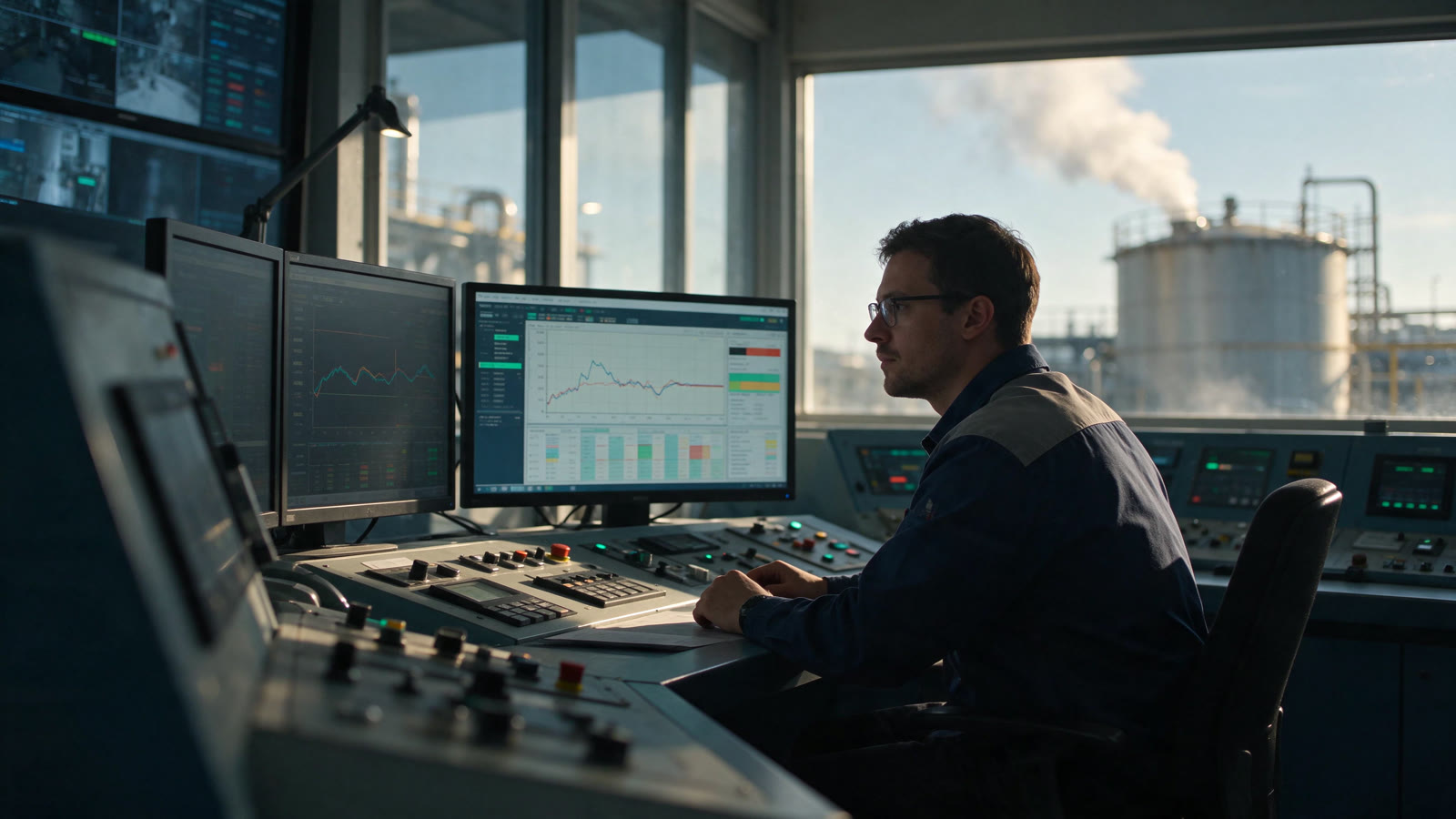
A pricing service is monitored for whether it answers, not for whether its prices are right. If the supply feed behind it stops updating and the last value stays in the cache, the service keeps issuing prices and fare estimates from a count that is no longer true. Every health check passes because the value is present, valid and in range. Only a comparison with what is actually on the street shows that pricing and reality have parted.
- Healthy describes the service. Right describes the price. Monitoring covers the first.
- A stopped feed does not send an error. It leaves a plausible number behind.
- Real supply never holds one exact value for long. A count that does is the tell.
Healthy is not the same as right
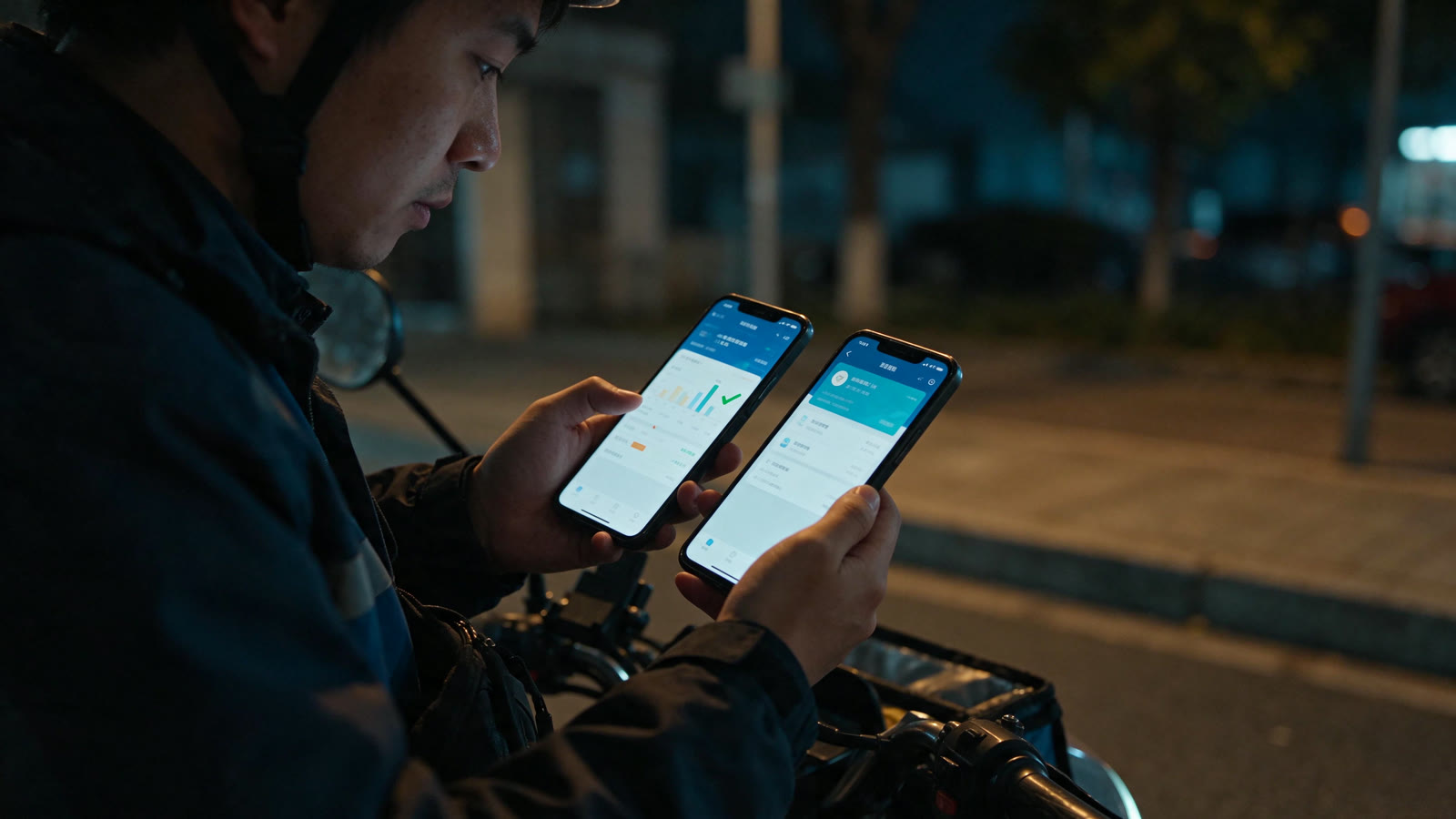
Prices and fare estimates are outputs people act on at once. A rider accepts or walks away. A driver heads to a zone or stays put. Yet the service that produces them is watched the way any service is watched: is it up, how fast does it answer, how many requests fail. None of those says whether the number it returned bears any relation to the street.
That is the wider gap this pattern belongs to: pricing that nobody is checking against reality. It can open in the model, in configuration or in the inputs. This guide follows one way in, through an input that stops moving.
A feed that stops and a value that stays
Suppose the pricing service reads available supply for each zone from a feed, published every few seconds and held in a cache. One night the publisher hangs. The process is still running, so nothing restarts it. The cache has no expiry, a deliberate choice so that a brief interruption would not take pricing down. The pricing service goes on reading the last value written.
What follows depends on the moment of the freeze. If supply was thin, prices stay high into a quiet period: riders see a steep price with cars visible all around them, and drivers sit idle. If supply was plentiful, prices stay low through the next rush: trips are sold too cheaply, waits grow and requests go unfilled. Either way the price has stopped describing the market.
Why monitoring passes
- The pricing service is available and fast, with no errors.
- The feed consumer reads successfully every time.
- Data checks pass: the value is present, numeric and inside its normal range.
- The publisher shows as running.
- Business dashboards show conversion down in one city, which has a dozen ordinary explanations.
The tell is a number that does not change
Put these side by side:
- the feed's last-updated time for each zone, against the clock
- the supply count pricing used, against the vehicles actually online in telemetry
- the price multiplier over time, against request volume: demand moves and the multiplier does not
- conversion, wait time and unfilled requests by zone
- fare estimates against final fares for the same trips
- rider and driver tickets saying the price made no sense for what they could see
A live supply count flickers constantly. One that repeats the same value across many intervals is not stable. It is stale.
Keeping the last known value when a feed drops is a sensible way to ride out a short interruption. It becomes a hazard when nothing limits how long that value may be used. The design question is not whether to fall back, but how old an input may be before the service says so out loud.
What it costs, and how to size it
The unit of loss is mispriced trips.
- Fix the interval for each zone: from the feed's last real update to its recovery.
- Replay pricing for that interval with supply taken from telemetry, to get the price each request should have seen.
- For trips sold below it, sum the difference.
- For requests priced above it, apply your usual conversion at the correct price to estimate trips lost, at your contribution per trip.
- Add fare adjustments, credits and the support contacts behind them.
Why it comes back
If the last freeze was ended by restarting the publisher, the cache still has no age limit and pricing still trusts whatever it finds there. A new feed, zone or region added later inherits the same behaviour.
Questions worth asking this week
- For each input to pricing, how old may it be before the price is no longer trusted, and where is that written down?
- Who would be told if a feed's value had not changed for an hour?
- When were fare estimates last compared with final fares, and by whom?
What fixes it, and who owns each part
- Pricing team: carry a timestamp with every input, and move to a stated neutral price when one is too old, recording that it did.
- Feed owner: alert on values that stop changing, not only on a process that stops running.
- Marketplace operations: review trips priced during the freeze and make adjustments where they are due.
- A pricing agent, if one sets or adjusts prices: an eval case for its next release. Given a supply input older than the limit, it must not price from it and must flag it.
Where Traxivo fits
Traxivo reads feed timestamps, pricing records, telemetry, conversion and ticket data through read-only connections and links them into one issue with a history. It recognises when a freeze has happened before, names the owners, and drafts the review of affected trips for a named person to approve. It does not change prices. Frozen feed is one of the marketplace failure patterns it covers, and stale-but-present data recurs across other industries.
The ten use cases on the Traxivo for Marketplaces page are the ones most mobility, logistics and marketplaces estates share. Your niche will have failures of its own. We build custom solutions for those on top of the same platform: connectors for the feeds only your niche has, detection for the pattern only your estate shows, and the loss counted in your own unit. The same approach extends to niches such as grocery and quick-commerce delivery, freight and last-mile brokerage, micromobility and rental fleets and home-services marketplaces.
Sources
- Federal Trade Commission. FTC and 17 States Secure $63 Million Settlement with Family Dollar Stores in Price Transparency Win for Consumers, 2026.
- Business Today. ‘Higher the price, higher the chance’: Rapido fined ₹10 lakh over ‘misleading’ ride booking prompts, 2026.
- TechCrunch. Amazon agrees to pay consumers $309M in returns policy settlement, 2026.
Every figure on this page comes from the published source it is linked to and describes the industry at large. None is a Traxivo or customer result.
Frequently asked questions
Why does a frozen feed not trigger data-quality checks?
Because the last value is still present, correctly typed and within its normal range. Checks for missing or malformed data pass. Only a freshness check, or a check that the value is still changing, would notice.
How do I know whether prices were wrong during the freeze?
Replay the pricing calculation for the affected interval using supply from an independent record, such as vehicle telemetry, and compare the result with the prices actually issued. The difference, trip by trip, is the mispricing.
Is serving the last known value a mistake?
Not in itself. It protects pricing from short interruptions. The mistake is having no limit on how old that value may be, and no signal when the limit is passed.
Stop rediscovering the same integration failure
Traxivo links the alerts, tickets and email threads your teams already produce into one history per issue, recognises when a fault returns, and drafts the follow-up with the evidence attached. Nothing is sent until a person approves it.
See how Traxivo works See Traxivo for Marketplaces