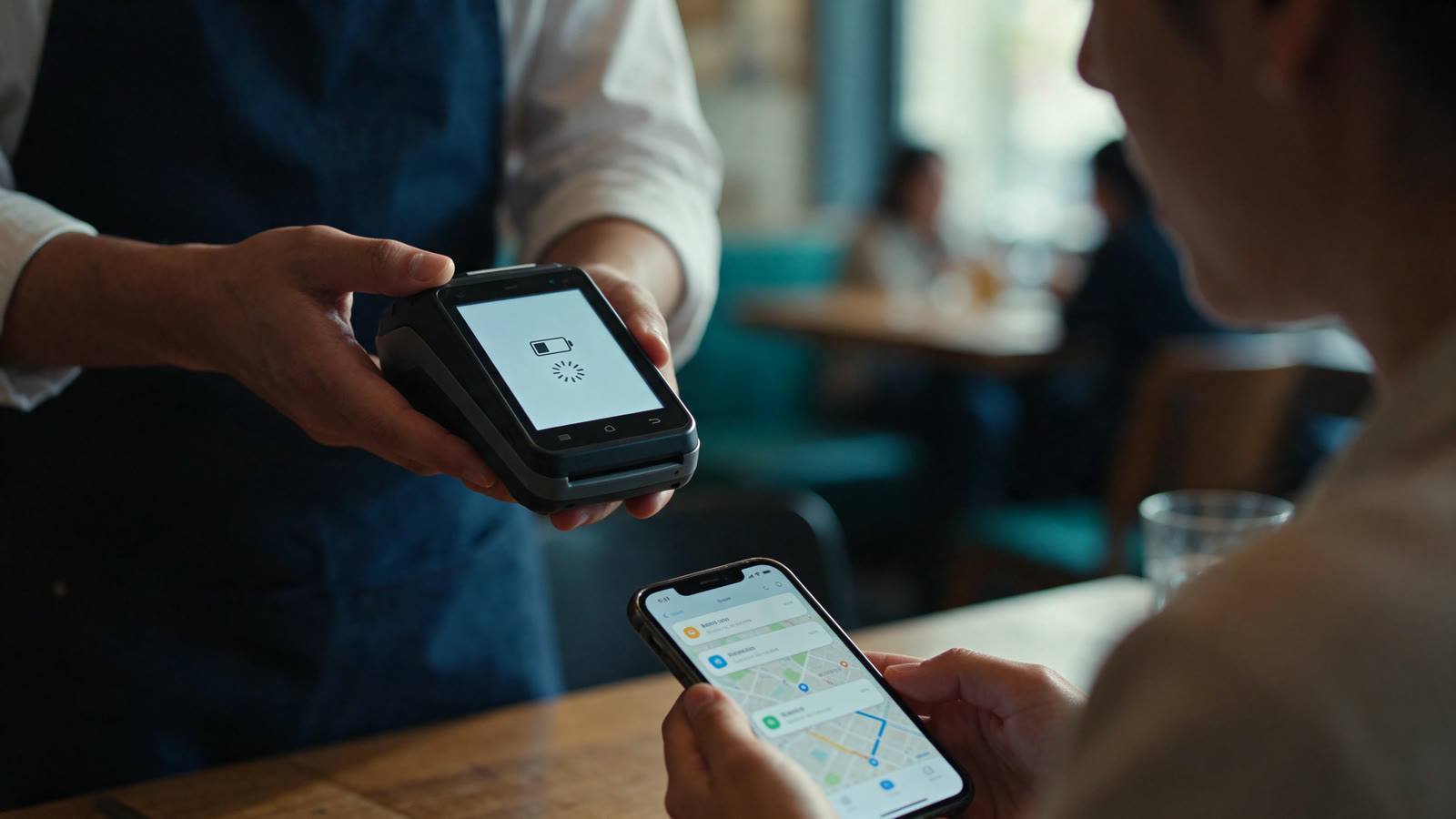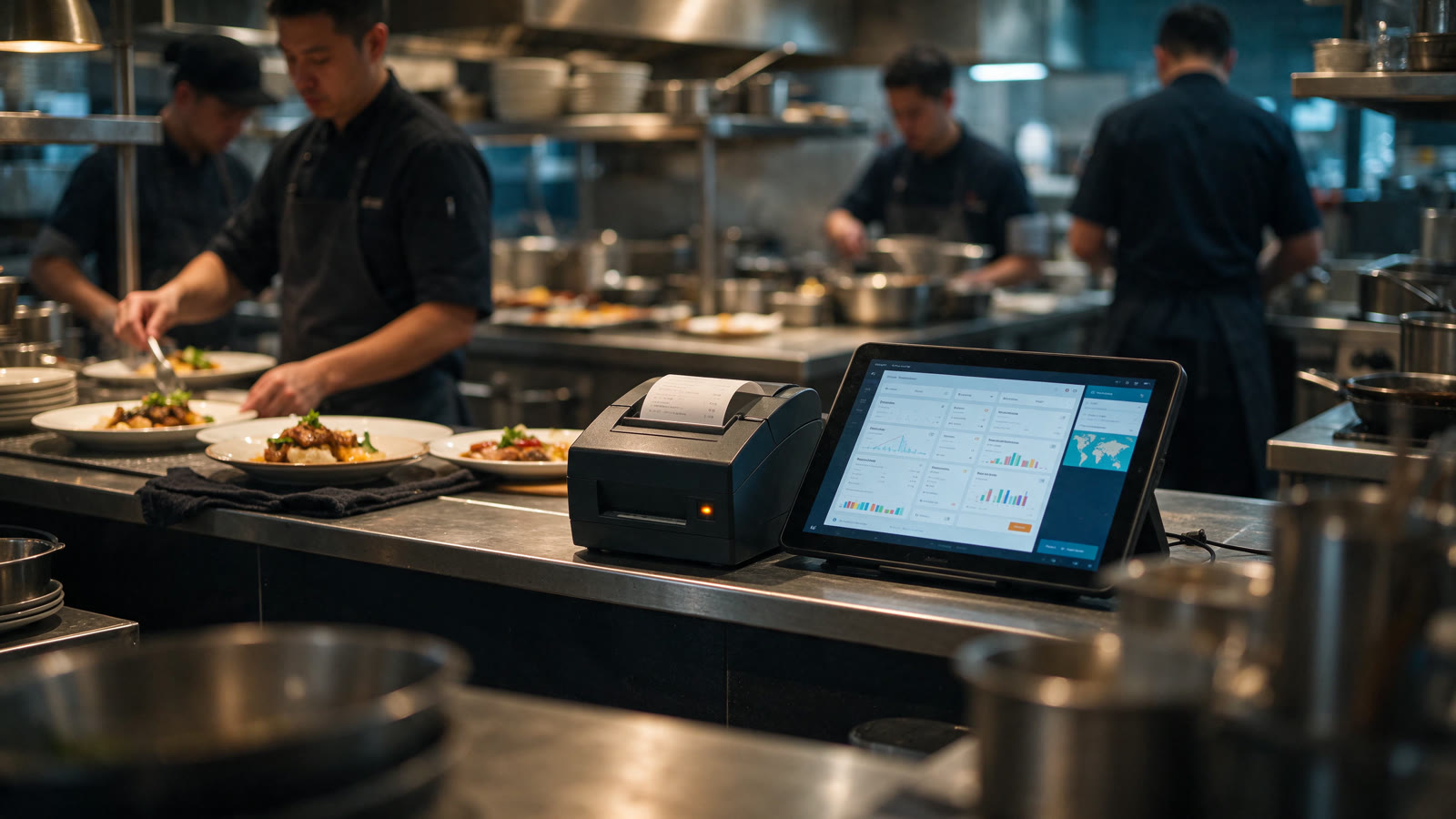
The AI phone-ordering agent confirmed the order. The point of sale marked it sent to kitchen. The printer bridge, on older firmware, could not parse the nested modifiers the agent writes, dropped the ticket and logged a parse error at debug level. Every system reported success except the kitchen, which never saw the order.
- New features change the shape of data. Old consumers that cannot read it often fail silently.
- The failures cluster on the agent's orders, because the agent uses the new format far more than staff do.
- The tell is a missing acknowledgment: orders sent to the kitchen that the kitchen never confirmed.
A good release with an old consumer
A restaurant app update introduces nested modifiers, so an order can say “burger, no onion, bacon on the side” as structure rather than free text. The same release launches an AI phone-ordering agent, and the agent uses nested modifiers constantly, because callers speak in exactly that way. Staff entering orders by hand use them far less.
Kitchen printers and displays connect through a bridge. Restaurants on an older bridge firmware cannot parse nested modifiers. When one arrives, the bridge skips the ticket and writes a parse error to its log at debug level. The point of sale has already marked the order sent to kitchen.
Nothing about this is exotic. Platforms that sell hardware support devices for years, and the installed base is always a mix of firmware versions. Every new feature that changes the shape of an event has to be read by the oldest of them, whether or not anyone tested that.
Why nobody sees it at first
- The phone-ordering agent confirms the order to the caller, correctly.
- The point of sale shows the order sent, because it was.
- Printers and displays are online and print other tickets normally.
- Adoption of phone ordering climbs, which looks like success on every product dashboard.
- The field-service AI agent, when a restaurant calls about a printer skipping orders, walks them through restarting it and checking the paper, then closes the ticket.
In the restaurant the failure is loud: a customer waiting for food that was never made, a server re-firing the order by hand, a meal comped. But each restaurant sees it as its own bad night, and the comp reason “kitchen never got ticket” is just a dropdown value nobody reports on.
This is the integration estate in miniature. An AI agent writes richer data than any person did, and a device bought years ago has to read it. Neither team made a mistake on its own terms. The failure lives in the contract between them, which nobody owns.
The evidence
The tell is an absence. Every order sent to the kitchen normally gets an acknowledgment from the display or printer within seconds. Look for orders with no acknowledgment and they cluster sharply:
- orders with nested modifiers, at restaurants on the older bridge firmware
- a matching parse-error line in the bridge log for each one, at debug level
- far more of them on phone orders than on staff-entered orders
- re-fires and comps with the reason “kitchen never got ticket” rising from the release date
- printer tickets closed after a restart, and owners emailing about turning phone ordering off
Absence is the hardest signal for most tooling, because nothing errors where anyone is looking. It is the same reason integrations between two healthy systems break unnoticed.
Sizing it
The unit of loss is comped meals and the new feature's adoption. For your own platform:
- Count orders since the release with no kitchen acknowledgment, at restaurants on the affected firmware.
- Count comps and re-fires attributed to missing tickets, at your average comp value plus the staff time each re-fire takes.
- List the restaurants considering switching the new feature off. If they do, the cost is the feature's value, not just the comps.
Why it comes back
Kitchen hardware has broken on a format change before. An emoji in a menu item name, say, broke older printers and was fixed by stripping emoji, with no contract test on the order event. Without that test, any change to the order format is free to break the same consumers again, and the next one will arrive with the next feature.
What fixes it
- Restaurant app team: send flattened modifiers to consumers on the older bridge firmware, so nothing is dropped while they upgrade.
- Peripheral firmware team: upgrade the bridge, and add the order event to a contract test that every app release must pass.
- Restaurant success: outreach to the restaurants that have complained or are considering turning phone ordering off.
- Field-service AI agent: an eval case its release must pass. Before giving printer troubleshooting steps, it checks the bridge for parse errors.
The flattening fix is quick. The contract test is what stops the next feature from repeating it.
Where Traxivo fits
Traxivo reads order events, bridge logs, kitchen acknowledgments, agent traces, comps, tickets and email through read-only connections, with nothing installed in the restaurant. It links them into one issue, recognises the earlier format break, names both owning teams, and drafts the compatibility request and restaurant outreach for a named approver. It sits alongside the payments and commerce failure patterns Traxivo covers, and the agent-meets-legacy-device shape shows up in industrial and logistics estates too.
The ten use cases on the Traxivo for Payments page are the ones most payments and commerce estates share. Your niche will have failures of its own. We build custom solutions for those on top of the same platform: connectors for the feeds only your niche has, detection for the pattern only your estate shows, and the loss counted in your own unit. The same approach extends to niches such as stored-value and gift card programmes, fuel forecourts and unattended kiosks, restaurant and hospitality point of sale and marketplaces paying out sellers.
Sources
- Intouch Insight. 2026 Drive-Thru Study: Key Drive-Thru Trends from our Annual Report, 2026.
- Intouch Insight. 2026 Drive-Thru Study: Key Drive-Thru Trends from our Annual Report, 2026.
- Datos Insights, cited by a chargeback vendor. What Mastercard’s Chargeback Research Can Tell Us About Improving the Dispute Process, 2026.
Every figure on this page comes from the published source it is linked to and describes the industry at large. None is a Traxivo or customer result.
Frequently asked questions
Why do new order formats break older kitchen hardware silently?
Older consumers often skip what they cannot parse and log it at a low level, while the sending system has already recorded the order as sent. Without an acknowledgment check, the gap is invisible.
Why do AI ordering agents make this more likely?
They use structured features consistently and at volume, often far more than staff entering orders by hand, so any consumer that cannot read the new structure fails more often on agent orders.
How do you catch dropped kitchen tickets?
Reconcile every order marked sent against a kitchen acknowledgment, and look at orders with none, split by firmware and by how the order was taken.
Stop rediscovering the same integration failure
Traxivo links the alerts, tickets and email threads your teams already produce into one history per issue, recognises when a fault returns, and drafts the follow-up with the evidence attached. Nothing is sent until a person approves it.
See how Traxivo works See Traxivo for Payments